
Nicosia, Cyprus: The Only Divided Capital Left, and What That Means for Visiting
View larger map | Map data © OpenStreetMap contributors
Nicosia is the last capital city in the world still physically split by a military buffer zone. That single fact tends to define how it gets written about — and it also tends to flatten a genuinely layered city into a conflict tourism destination. The UN-patrolled Green Line is real, the crossing points are real, and the experience of walking from the Republic of Cyprus into Northern Cyprus in about three minutes is disorienting in a way that no guidebook fully captures. But the city earns time independently of all that.
The Green Line First, Because Everyone Wonders
The buffer zone runs roughly east-west across the old city, separating the Republic of Cyprus (EU member, internationally recognised) from Northern Cyprus (controlled by Turkey since 1974, recognised only by Turkey). Crossing at the Ledra Street checkpoint — the main pedestrian crossing in the city centre — means showing your passport, walking past UN observation posts and stretches of abandoned buildings frozen somewhere around 1974, and stepping into what feels like a different country. Because legally, depending on who you ask, it is.
What catches people off guard isn’t the political reality, which you’ve read about before arriving — it’s the texture of it. On the northern side, the streets are quieter, signage switches to Turkish, currency switches to Turkish lira, and mosques outnumber Orthodox churches. Turn around and the reverse is true. The physical distance between these two contexts is about 50 metres.
One practical note: the Republic of Cyprus’s official position is that entering Northern Cyprus via Turkey rather than crossing from the south counts as illegal entry through an unofficial border. If you’re flying into Larnaca or Paphos and doing your whole trip from the south, the Ledra Street crossing is unambiguous. If your itinerary involves Ercan Airport in the north, check the current rules before you go — they’ve shifted over the years, and advice that was accurate in 2019 may not be now.
The Walled City Itself
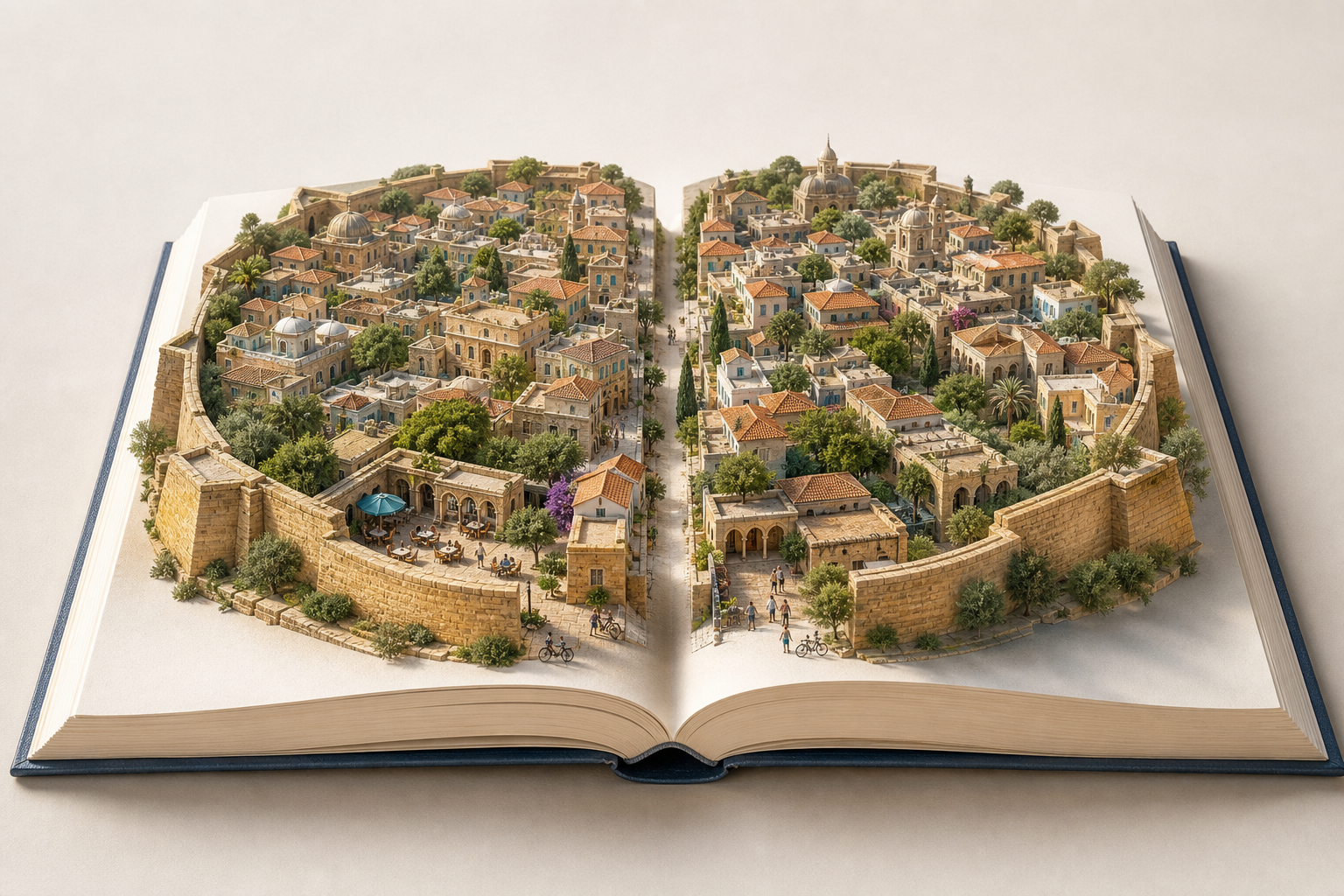
Nicosia’s old city sits inside a ring of Venetian walls — circular, about 3km to walk the full perimeter, built in the 1560s and still remarkably intact. The bastions are named after Venetian noble families. The Ottomans took the city in 1570, the British colonised it in 1878, Cyprus became independent in 1960, and the division happened in 1974. Walk the walls and you’re walking through the overlap of all of that in a single afternoon.
Inside the walls, the Cyprus Museum on Museum Street warrants a proper two hours, not a rushed lap. It holds the most significant collection of ancient Cypriot artefacts in existence — Bronze Age figurines, Hellenistic sculpture, terracotta votive offerings — and gets a fraction of the attention that equivalent collections in Athens or Rome receive. The room displaying the terracotta army from Agia Irini, some 2,000 individual figurines excavated from a single sanctuary and arranged roughly as they were found, is one of the stranger and more impressive archaeological displays in the eastern Mediterranean. Admission is inexpensive. It’s almost always uncrowded.
The Buyuk Han (Great Inn) on the northern side is a 16th-century Ottoman caravanserai — the largest surviving one on the island — converted into artist studios and craft shops arranged around a central courtyard with a small mosque at its centre. It reads like a tourist trap in description and isn’t in practice. The quality of work in the studios varies, but the architecture alone justifies the 20-minute wander.
What the South Side of the Old City Actually Has
Laiki Geitonia is the pedestrianised area near the Famagusta Gate that gets promoted heavily in tourism materials. It’s fine — mostly restaurants and souvenir shops, not really where you should spend time.
The streets around Phaneromeni Square and north toward the buffer zone are more interesting: older buildings, smaller cafes, the kind of slightly-scruffy urban fabric that precedes gentrification. The Phaneromeni Church itself dates to 1872 and holds the mausoleum of the bishops executed by the Ottomans during the 1821 Greek War of Independence, which adds real weight to what would otherwise be a straightforward 19th-century church visit.
The Leventis Municipal Museum of Nicosia, which covers the city’s history from antiquity to the present, is free and occupies a restored 18th-century building on Hippocrates Street. Small enough to do thoroughly in 90 minutes, substantive enough that you’ll leave with actual context for what you’re looking at when you walk the streets afterward. Genuinely one of the better free city history museums in the region.
Eating and Drinking Without Being Steered Wrong
Cypriot meze is a different proposition from what gets served in tourist-facing restaurants — a long, slow, sequenced meal of 15 to 20 small dishes, not a sampler plate. The versions in the old city aimed at lunch tourists are abbreviated. For the real format, you want a taverna where the kitchen decides the pace and where ordering “a meze” means committing to roughly two hours and an embarrassing quantity of food.
Halloumi in Cyprus tastes different from exported halloumi — fresher, less salty, with a texture that actually squeaks properly. This sounds like the kind of claim every travel writer makes about local versions of famous foods, but the difference here is immediate and obvious rather than something you have to talk yourself into. Order it grilled as part of meze, or buy it from a market and eat it within a day.
The area around Ermou Street in the old city has a concentration of cafes and bars that function as actual local social spaces rather than tourist staging areas. Evenings here are relaxed and walkable in a way the beach resorts don’t offer.
Getting There and Timing
Larnaca Airport is about 45 minutes from Nicosia by road. There’s no train. Taxis and organised transfers are the main options — buses exist but the intercity schedule makes them awkward for airport arrivals. Renting a car at Larnaca and driving in is worth considering if you’re planning to explore beyond the capital.
Nicosia in July and August is genuinely punishing — regularly above 38°C inland, and the city sits in a valley without the coastal breeze that Limassol or Paphos get. April through June and September through October are the months when the old city is actually pleasant to walk for extended periods. November to February is mild and largely uncrowded, with occasional rain. If your dates are fixed in summer, plan outdoor exploration for early morning and late afternoon and structure the middle of the day around museums and indoor stops.
Two full days covers the old city thoroughly on both sides of the Green Line and the Cyprus Museum properly, and still leaves time for an evening on Ermou Street without feeling rushed. A third day opens up a day trip to the Troodos Mountains — Byzantine monasteries and painted churches at altitude, a UNESCO cluster — an hour’s drive and a completely different register from the capital.
One caveat worth stating plainly: Northern Cyprus has significant infrastructure limitations compared to the south, and prices, card acceptance, and English-language signage are less consistent. Go prepared to use cash and to navigate with less certainty than you’d expect in an EU destination. It’s not difficult, but it’s a genuinely different operating environment than the 100 metres south.
If you’re building a Cyprus itinerary that currently has Nicosia as a half-day transfer between Larnaca Airport and a beach resort, the question worth sitting with is whether the only divided capital on earth deserves more than a windshield view — because the Green Line crossing is an experience that exists nowhere else, and the city on both sides of it takes actual time to read correctly.